
FAQs
Frequently asked questions
Straight answers about how vehicle shipping works—so you can book with confidence.
What is the difference between a broker and a transporter?
Brokers work with transporters to get your vehicle moved, and transporters physically move your vehicle. Brokers have relationships with transporters that help them find strong service and pricing for your relocation. The broker oversees your move to provide the best experience.
How long does it take to deliver my car?
We keep you updated with accurate ETAs along the way. Coast-to-coast delivery can take up to 14 days; shorter distances up to about 10 days. Transit time depends on mileage, legal driver hours, weather, traffic, and other vehicles on the transporter’s load.
Will you pick up and deliver to my home?
Yes—door-to-door service is available when access allows. Your coordinator will confirm pickup and delivery details for your specific locations.
Do you ship vehicles nationwide / coast to coast?
Yes. Wildfire provides nationwide auto relocation, including coast-to-coast moves. Door-to-door pickup and delivery are available when access allows, with coordinator updates from booking through delivery.
Do I need insurance? Am I covered?
All of our transporters are insured to cover your vehicle in transport. We also recommend keeping your own vehicle insurance for glass damage, acts of God, and road debris.
What if my vehicle is damaged?
We require transporters to carry a minimum of $100,000 in insurance. Review and sign the destination inspection, noting any marks or concerns at delivery. Notify your coordinator within 24 hours to start a claim. Personal items are never insured.
Can I put household goods in my car?
Do not put personal items in your car except a securely attached child car seat. DOT rules prohibit personal cargo on trucks licensed for automobiles. Damaged personal items—or damage they cause—are your responsibility.
Do I need to be at the pickup or delivery?
You do not have to be present, but someone 18 or older you designate must be there to inspect the vehicle and sign the release on your behalf.
How do I prepare for transport?
Keep about 1/8–1/4 tank of gas. Remove personal items as if selling the vehicle. Clean the exterior for accurate inspection. Maintain proper fluid levels. Remove non-factory items like racks and antennas, and remove toll transponders. You’ll get more prep details after booking.
What is the difference between open and enclosed transport?
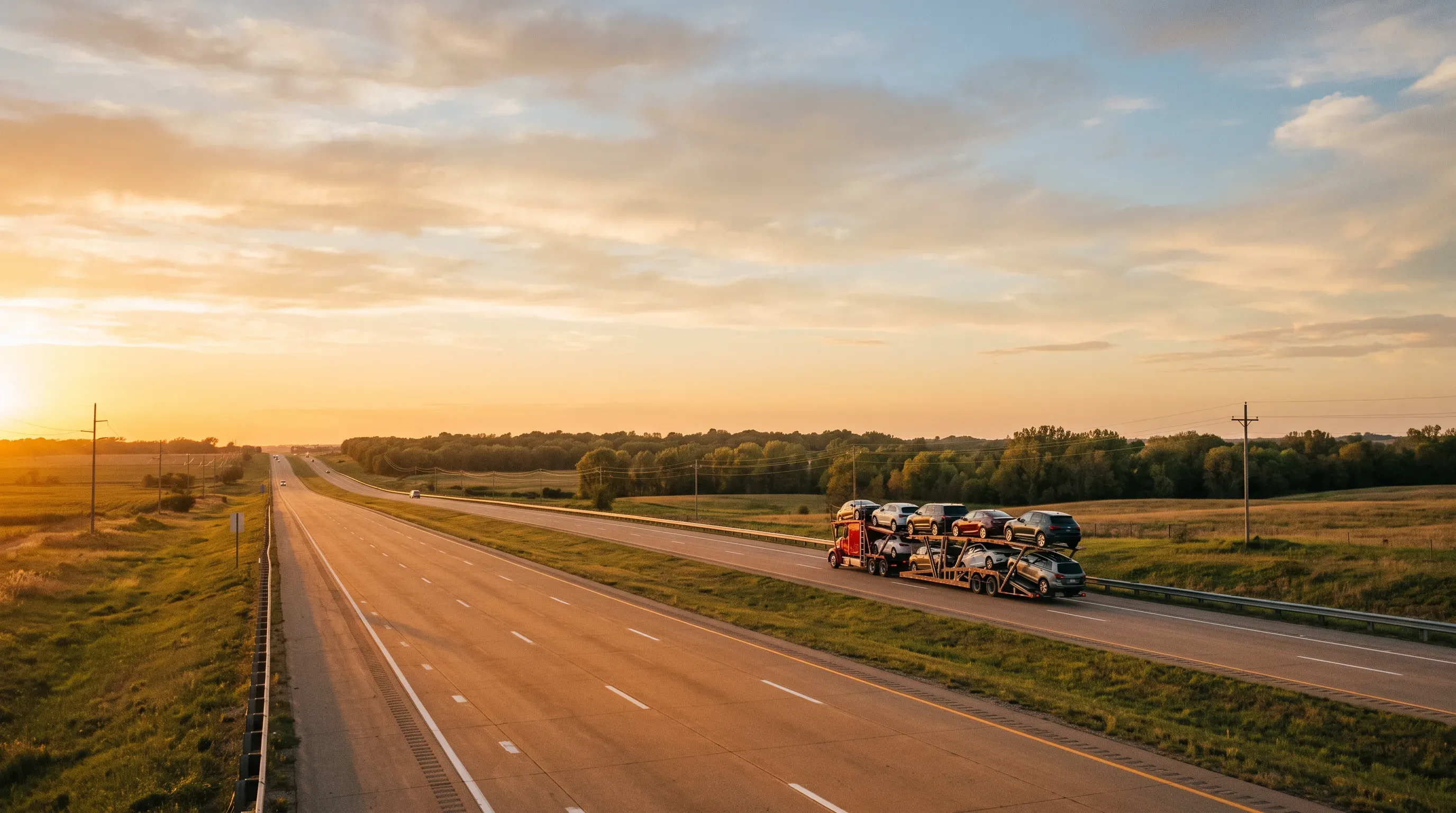
Open carrier is the most common and cost-effective option—your vehicle rides exposed to weather and road debris. Enclosed carrier uses a trailer with a roof and sides for stronger protection and is often preferred for low-clearance, vintage, or higher-value vehicles. We can quote both so you can compare.
What is corporate auto relocation / how does executive vehicle shipping work?
Corporate and executive auto relocation means coordinating an employee or household vehicle as part of a job move—often timed with a new start date or household goods shipment. Wildfire assigns a coordinator, matches open or enclosed equipment, and keeps the relocating employee and program contacts updated from booking through delivery.
What sets Wildfire apart for corporate relocation programs?
Corporate and executive auto relocation is about timing and clarity for relocating employees and their households. Wildfire assigns a coordinator, aligns pickup and delivery with your program needs, and keeps communication tight from booking through delivery.
Do you handle repo, auction, and dealer inventory moves?
Yes. Wildfire moves commercial inventory from repo lots to auctions, from auctions to dealerships, and between commercial account locations—single units or multi-vehicle loads—with coordinator-led updates built for lot access and auction calendars.
What sets Wildfire apart for repo, auction, and dealer moves?
Repo, auction, and dealer moves run on lot access, auction calendars, and account-to-account deadlines. Wildfire coordinates commercial inventory transport with vetted, insured carriers and relationship-first updates—built for remarketing timelines, not household relocation.
Can you move vehicles between commercial locations (lot to lot)?
Yes. We coordinate account-to-account and lot-to-lot commercial shipments when sites allow transporter access. Your coordinator confirms pickup and delivery details for each commercial location.
How much does it cost to ship a car?
Price depends on distance, open vs enclosed equipment, vehicle size and condition (operable or not), timing, and route demand. Guaranteed dates or specialty equipment can change the quote. Request a quote with accurate year, make, model, and modifications for a firm number.
How does the quote and booking process work?
Share pickup and delivery locations, preferred dates, and vehicle details online or by phone. Your coordinator confirms the quote, books with a vetted transporter, and stays in touch through pickup, transit, and delivery. Payment for personal shipments is typically collected once the vehicle is loaded.
What are my payment options for personal vehicle shipments?
We accept all major credit cards. Your coordinator will call once the vehicle is loaded for payment. You’ll receive a receipt and invoice after payment is processed.
Could my quote change?
Your quote should not change unless details differ from what was provided—for example if the vehicle does not start, stop, or steer; has lifts, caps, racks, or oversized tires; is taller than 80 inches; has under 5 inches of ground clearance; or needs a guaranteed pickup or delivery that may require a flatbed.
Still have questions?
Dedicated coordinators. Responsive communication. Customer-first service nationwide.